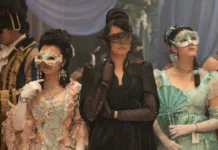
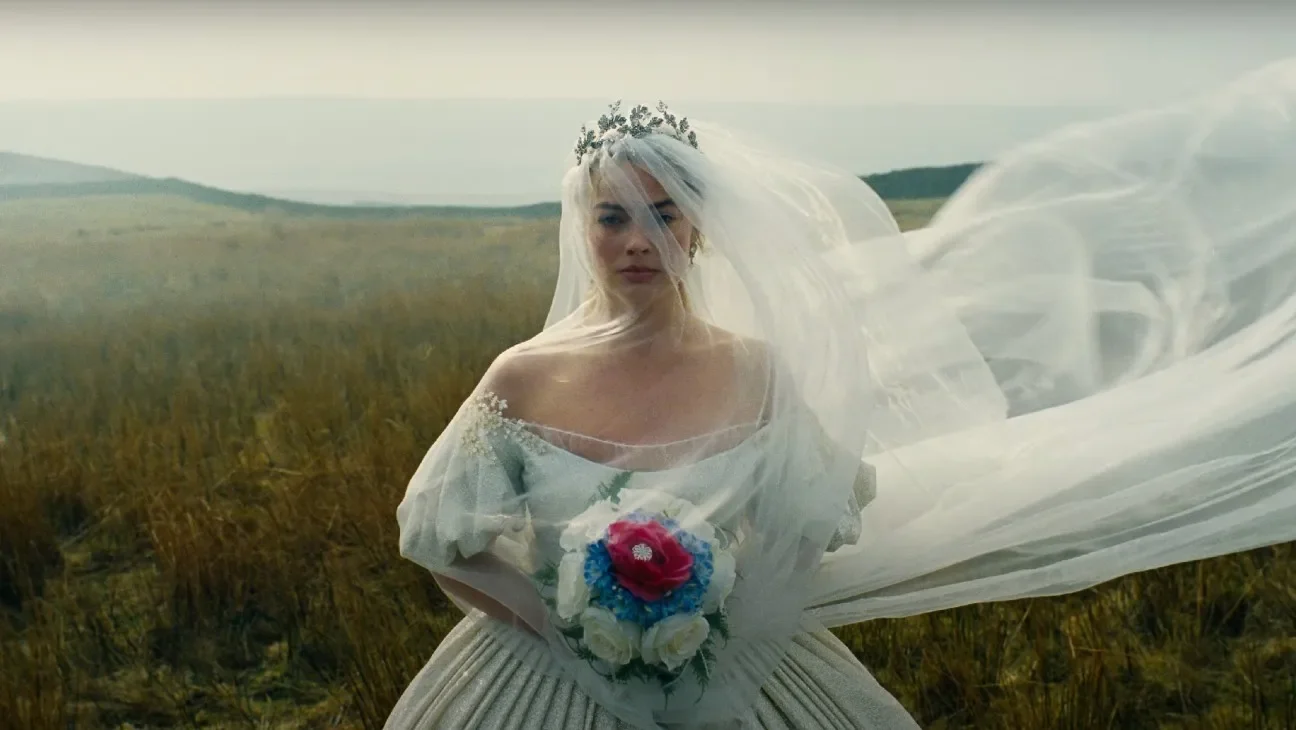
Hey, it’s me again – Reede Fox, and I’ll be reviewing an old classic. There’s something deliciously inappropriate about turning Wuthering Heights into a film for the OnlyFans era – except it isn’t inappropriate at all. Emily Brontë wrote a novel about obsession, possession and people behaving badly in storms. The Victorians called it gothic. We’d probably call it content.
This adaptation just drops the lace curtain and admits what was always there: desire as spectacle, longing as performance, and love as something far messier than polite culture likes to admit. I’ll be honest – Wuthering Heights lived in my head for years as one of those books school somehow managed to make terminally dull. Grey classrooms, scratched desks, teachers insisting it was “a timeless romance” while tactically avoiding the obvious fact that everyone in it is completely unhinged.
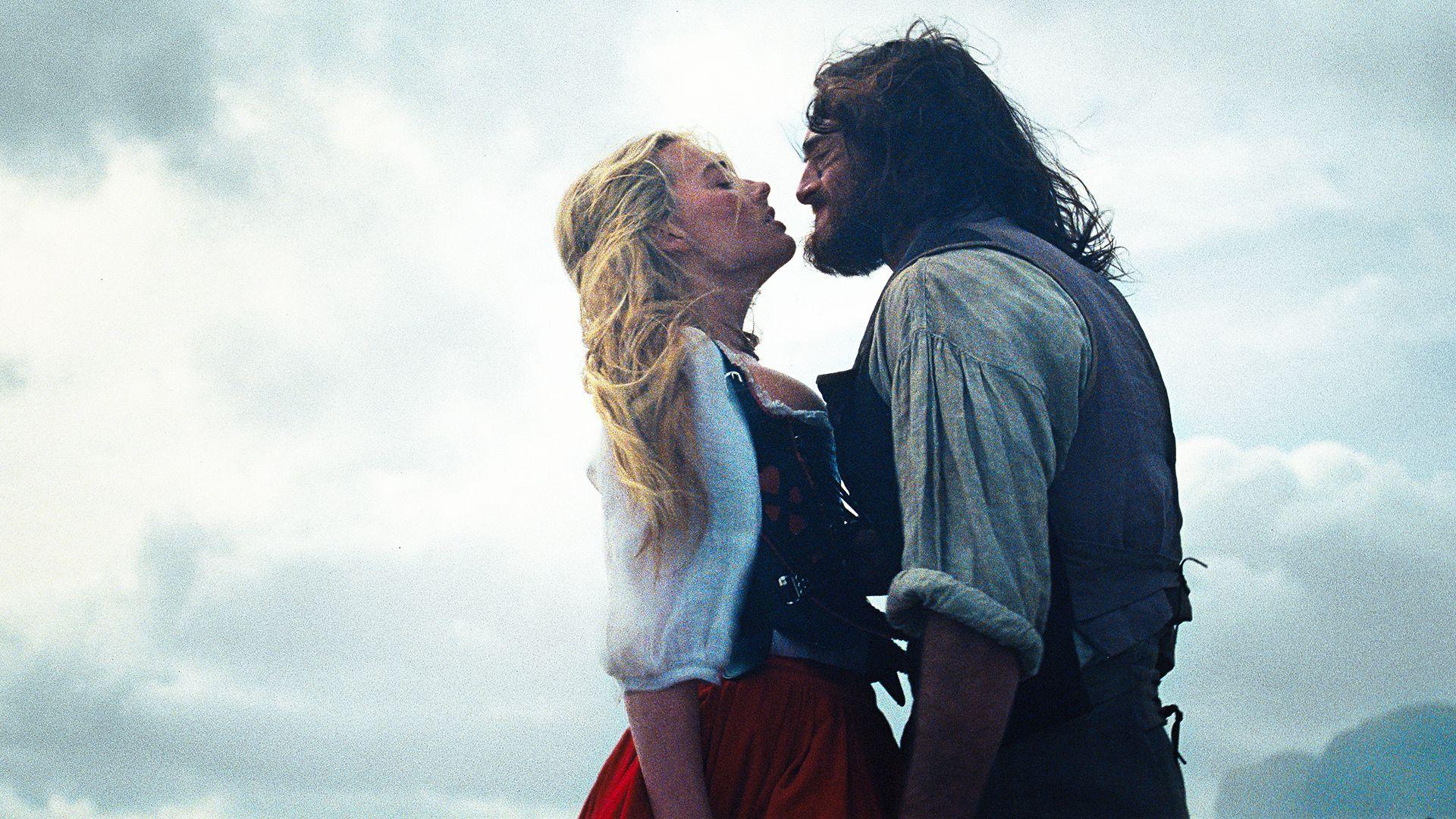
We analysed weather symbolism for weeks instead of simply admitting that Heathcliff and Catherine are basically two emotionally unstable people ruining everyone else’s lives because they fancy each other too much. Watching this version feels like finally saying the quiet part out loud. And thankfully, the film doesn’t try to clean Heathcliff up into some misunderstood soft boy. He’s obsessive, vindictive, manipulative, emotionally feral and still weirdly magnetic. Which, honestly, is probably the most realistic thing about him.
The film understands something older adaptations sometimes avoided: people aren’t drawn to Heathcliff because he’s kind. They’re drawn to him because he wants things too intensely and with absolutely no self-control whatsoever. History suggests that sort of energy has never exactly struggled to attract attention.What works here is that nobody’s pretending this relationship is healthy.
Heathcliff and Catherine don’t feel like soulmates so much as two people feeding each other’s worst impulses until the whole thing catches fire. There’s no comforting romance arc, no neat lesson, no sense that love magically fixes anybody. You’re not supposed to admire what they have. You’re supposed to watch it the same way you watch a car crash in slow motion: fascinated, slightly horrified, but still looking. And visually, the film absolutely knows what it’s doing.
Older adaptations treated desire like a secret hidden somewhere inside the wallpaper. This one practically shoves your face into it. The camera lingers. Breathing gets louder. Hands hover too long. Everyone looks damp, exhausted, windswept, and one argument away from making catastrophic decisions.
It’s extremely physical without constantly tipping into explicitness. You feel mud, cold air, skin, tension. Nothing about it feels polished or overly romanticised. Desire here isn’t elegant. It’s awkward, impulsive, messy, and slightly destructive. Which is probably closer to reality anyway.
It’s also impossible to watch this without thinking about the reaction to Saltburn, where audiences suddenly acted shocked that films about desire might actually include… desire. People called it vulgar and excessive, but most of the outrage felt less about the film itself and more about discomfort with appetite being shown too openly.
That’s what links these stories together. Strip away enough politeness and people start panicking. And yes, this film absolutely knows its cast are attractive. The camera studies faces, skin, mouths, expressions – properly studies them. But underneath all the beauty there’s still something rougher going on. These people don’t float elegantly through romance. They bruise each other with it.
There’s also something satisfying about seeing a Yorkshire story fully lean into its Yorkshireness. Watching all this wind-battered intensity unfold, I kept thinking of our very own Yorkshire camgirl, the delightfully decadent Hannah Claydon – same county, very different context, but the same kind of unapologetic energy underneath it.
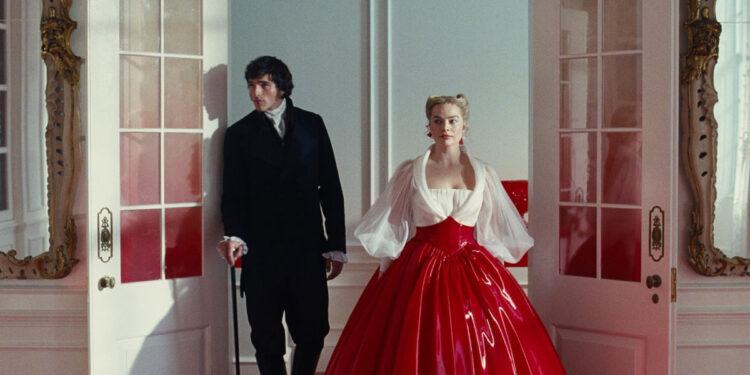
Because Brontë’s women were never really written to be meek. They were written to want things. Loudly. Destructively sometimes. And Yorkshire has always seemed very good at producing women who don’t particularly care whether they’re considered “too much.”
To be fair, the film definitely glamorises toxic behaviour at times, but that also feels intentional. We’re supposed to notice how easy it is to mistake intensity for depth. Why chaos often feels more exciting than kindness. Why people confuse obsession with passion in the first place. The film never fully answers those questions, which honestly makes it more interesting.
Some people will absolutely hate this version of Wuthering Heights. They’ll call it excessive, provocative, unnecessary. I’d argue it’s probably the first adaptation in years that trusts the material enough to stop pretending it was ever polite in the first place.
And if you prefer your entertainment a little less restrained too, explore live cam models now at Babestation