
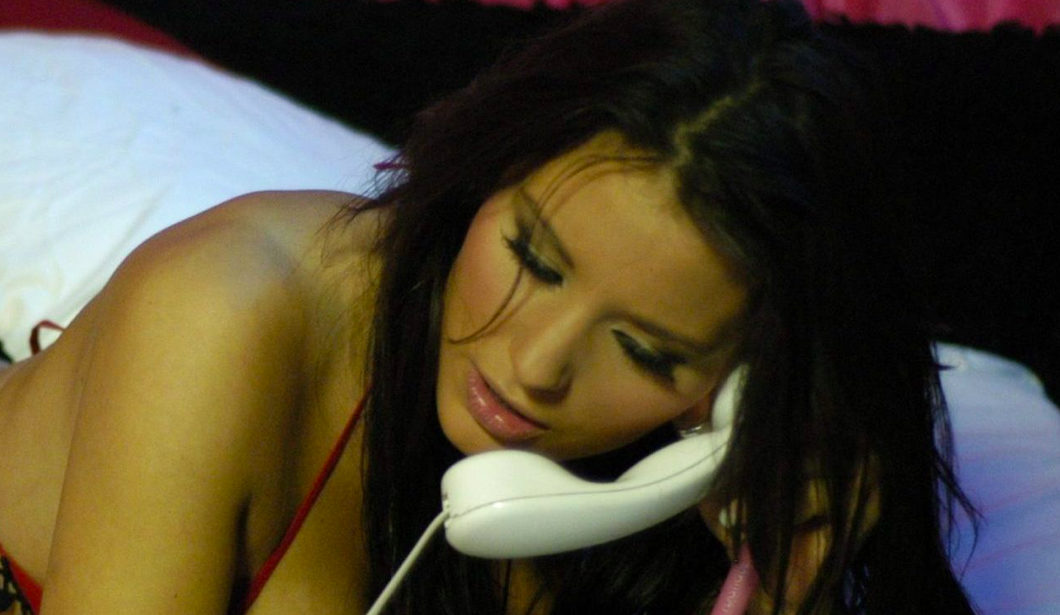
Before babeshow television settled into the familiar format of one presenter taking phone sex calls live on screen, the shows experimented with several different ways of making the broadcast feel interactive. Two of the most distinctive features of that early era were the multi-window “Brady Bunch” screen layout and the on-air text chat system. Both were attempts to bring viewers closer to the action, and both eventually disappeared as the format evolved
The “Brady Bunch” Screen
In the earliest years of the babeshows, producers often used a screen layout that showed several presenters at once. Typically the broadcast featured one large central window, where two presenters would sit together chatting to the audience.

Alongside that main window were three smaller video windows, usually positioned down one side of the screen. In those smaller windows, other presenters could be seen speaking to callers off-screen on the phone. Inside television studios this format was sometimes jokingly referred to as the “Brady Bunch screen.”
The nickname came from the opening titles of the classic TV show The Brady Bunch, which famously displayed its cast in a grid of small boxes on screen. The babeshow version worked in a similar way: multiple presenters appearing simultaneously in different parts of the screen.
Why Producers Used the Format
The multi-window layout served several purposes. First, it showed viewers that multiple conversations were happening at the same time. Even if a caller couldn’t get through immediately, they could see that other viewers were already interacting with the presenters.
Second, it created a sense that the show was busy and active, with several models working at once. And finally, it simply filled the screen. Early babeshow productions were relatively simple in terms of studio design, so the multi-window layout made the broadcast feel fuller and more energetic.
When Viewers Could Text the Babeshows
Another experiment from this period was the on-air text chat service. Viewers could send a text message to the show, often costing around £1.50 per message – and the presenters would read the message out and respond to it live on television.
A typical message might be something like:
“Hi girls, looking great tonight. Blow me a kiss! A Dave.”
The presenters would then react to the message on screen. Different shows used different ways of presenting the messages. Some had one presenter reading texts while another handled phone calls. Others used small video insets where the presenters could respond to messages while the main show continued.
Experiments from the Early Days of Interactive TV
Looking back, the Brady Bunch screens and the text chat services were both part of a period when the babeshow industry was experimenting with different forms of interactive television.
The shows were constantly testing new ways to bring viewers closer to the presenters – something that later became standard on live cam platforms and social media.
While those early features eventually disappeared, they remain an interesting reminder of how the babeshow format developed during its formative years.