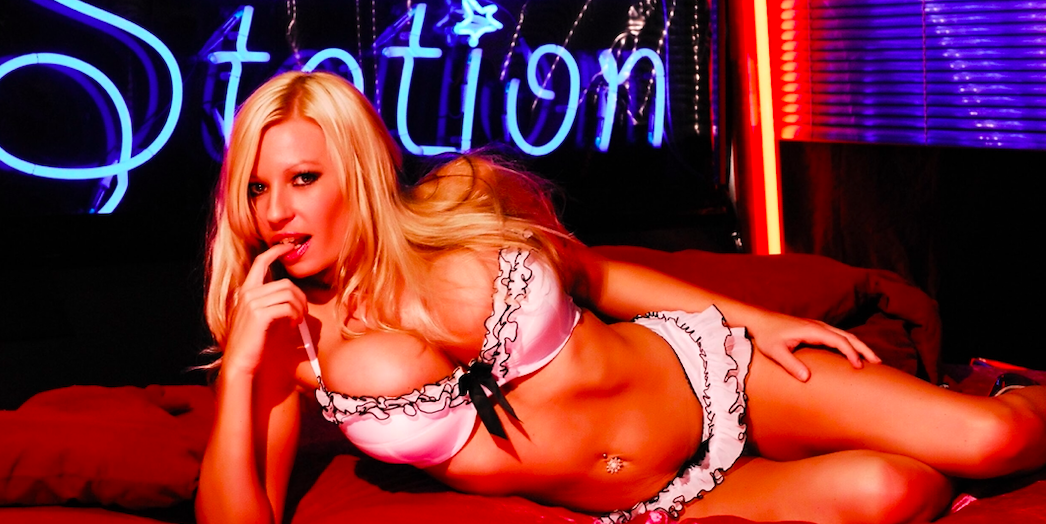
From late-night TV experiments to digital live cams, UK babe channels have been a unique and enduring part of British adult entertainment for over two decades. Characterised by live interactive phone chat with glamorous presenters, these channels pioneered a distinctly British blend of teasing, flirtation and viewer participation. This comprehensive history traces their origins, golden age, regulatory battles, decline of traditional TV formats and transition into the modern online era.
The Birth of the Genre: Early 2000s Origins
The UK babe channel phenomenon began in the early 2000s, fuelled by the liberalisation of premium-rate phone services, relaxed post-watershed broadcasting rules, and the profitability of low-cost interactive TV.
- 2002: Babestation Launches The Undisputed pioneer. On 3rd December 2002, Babestation debuted as a two-hour late-night block on Game Network UK. Viewers could call premium-rate lines to enjoy phone sex with presenters while their text messages scrolled on screen. Its immediate success proved the viability of the format.
- 2003-2005: Rapid Expansion and Early Competitors
- Babestation expands runtime and production quality.
- Babecast launches on Friendly TV – a more explicit variant.
- Other early entrants include Live XXX Babes, The Babe Channels, and Playboy TV Chat (a licensed version of the US brand).
The Golden Age: 2006-2012 – Peak Popularity
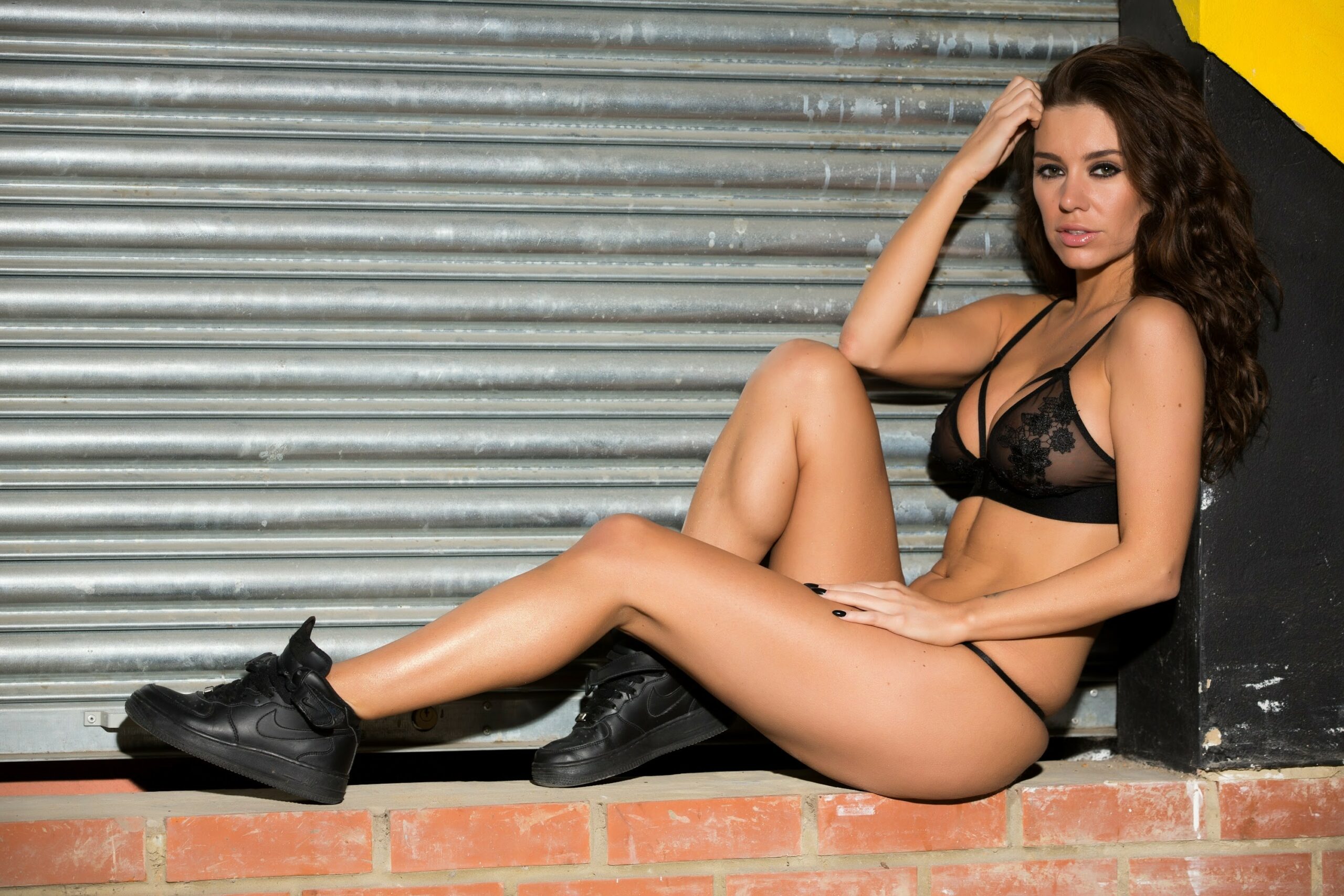
This period saw an explosion of babe channels across Freeview, Sky, and satellite platforms. Low barriers to entry and high call revenue led to dozens of channels launching, often sharing studios, presenters, and production facilities.
Key Milestones
- 2006: Babestation Becomes a Standalone Channel Game Network rebrands entirely as Babestation, cementing its dominance. It moves to Freeview (encrypted overnight) and Sky’s Adult section.
- 2006-2009: Freeview Boom Freeview’s limited channel capacity paradoxically helped the genre thrive. Channels like:
- Party People (later Party Girls) – launched 2006, became legendary for explicit content.
- Smile TV / Smile TV 2 & 3 – hosted multiple babe shows including Babestation, Partyland, and Bang Babes.
- Live XXX, Tease TV, Lucky Star – all competed for overnight slots.
- 2008–2010: Peak Diversity At its height, over 20 babe channels operated simultaneously. Notable launches:
- Elite TV (2007) – known for high production values and stars like Dani Thompson.
- Bang Babes (2008) – infamous for pushing Ofcom boundaries.
- Storm (2008) – featured many future OnlyFans stars.
- Red Light Central (2009) – positioned as premium and more explicit.
- Sexstation (2010) – aggressive marketing and hardcore branding.
- 2011-2012: Themed and Niche Channels Operators experimented with specialised programming:
- Dirty Wives (mature women)
- Babestation Blue / Babestation Xtreme
- Masti Chat (South Asian audience)
- Balloon Babes (fetish-focused)
- Babestation Apprentice / Academy (new talent showcase)
Presenters became household names within the niche: Preeti & Priya, Lori Buckby, Camilla Jayne, Jemma Jey, Dionne Mendez, Amanda Rendall, and many more crossed between channels, building loyal fanbases.
Regulatory Crackdown: 2010–2013
Ofcom began tightening regulations as complaints rose over explicit content being accessible on Freeview and daytime “clothed” segments drifting into sexualised territory.
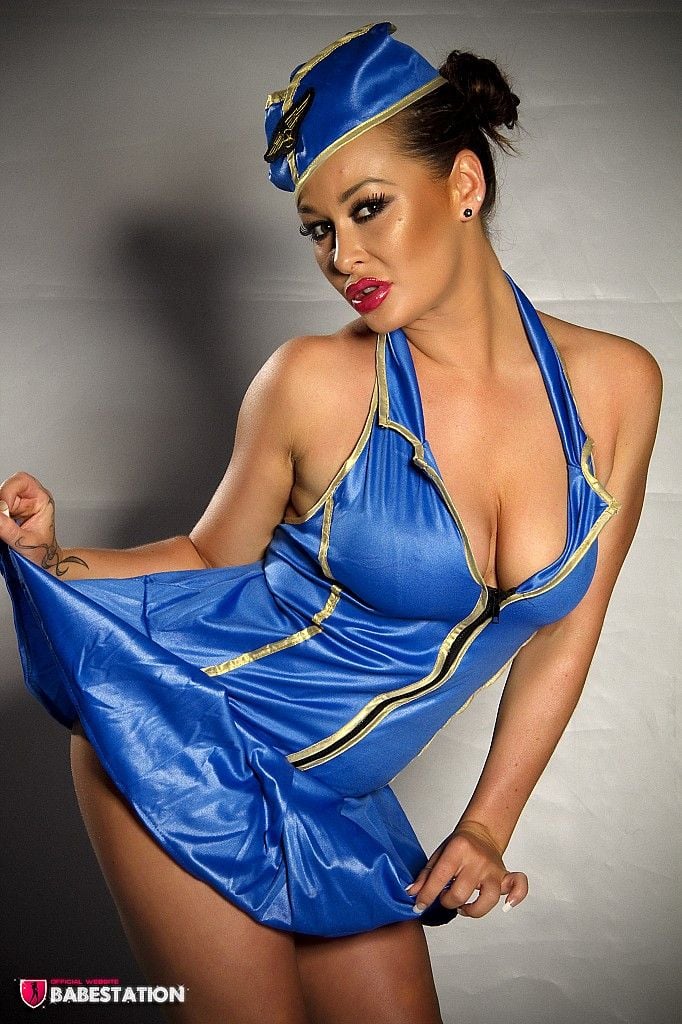
- 2010-2011: Major Fines Channels like Bang Babes, Tease TV, and Babestation received record fines for broadcasting hardcore material pre-encryption.
- 2011: Daytime Rules Enforced Ofcom mandated that daytime babe shows must be non-sexualised. This led to the rise of “clothed” daytime strands (e.g., Babestation Daytime, Elite Days) featuring lingerie modelling and chat, but no nudity or sexual content.
- 2013: Freeview Restrictions Many overnight Freeview slots were lost or heavily encrypted, reducing accessibility and profitability.
Decline of Traditional Babe Channels: 2013-2020
The combination of stricter regulation, rising internet penetration, and the emergence of webcam sites began eroding the TV model.
- Channel Closures
- Smile TV network shut down in 2014-2015.
- Elite TV ceased in 2015.
- Storm, Bang Babes, Red Light Central, and most independents closed by 2017–2018.
- Sexstation ended TV broadcasts around 2016.
- Survivors Only a handful remained on air:
- Babestation (and its variants Babestation 2, BSX)
- Studio 66 TV (formerly Elite, rebranded)
- Xpanded TV
The Digital Pivot: 2015-Present

As linear TV declined, surviving brands shifted heavily online.
- Babestation Launched babestation live sex cams with live webcam shows, Pervcam, Vibratoy integration, and VIP archive access. Became the UK’s leading live sex cam platform while maintaining TV presence.
- Studio 66 TV Rebranded to S66 Cams, focusing on online shows and phone chat.
- Xpanded TV Maintained TV broadcasts but expanded webcams and mobile apps.
- Rise of OnlyFans (2018-present) Many former babe channel stars (e.g., Preeti Young, Beth Bennett, Alice Goodwin, Mica Martinez) transitioned successfully to OnlyFans, often earning significantly more than on TV.
Babe Channels in 2025: Legacy and Current State
Traditional overnight TV babe channels are now a shadow of their former selves:
- Babestation remains the longest-running and most prominent, still broadcasting on Sky and Freeview.
- Xpanded and a few minor channels persist, but with reduced hours and visibility.
- Most viewer interaction has moved online to webcam platforms, Babecall-style phone services, and creator platforms.
Yet the cultural impact endures:
- Pioneered live interactive adult entertainment in the UK.
- Launched the careers of hundreds of performers, many now thriving independently.
- Influenced reality TV formats, social media engagement, and modern cam sites.
- Represent a uniquely British, cheeky, non-hardcore approach to adult content.
From a 2002 late-night experiment to a digital empire, UK babe channels transformed how Britain consumed interactive adult entertainment – and their legacy continues to shape the industry today.
Want to relive the golden era or experience modern evolution? Babestation remains the flagship – still live, still interactive, and still unmistakably British.